
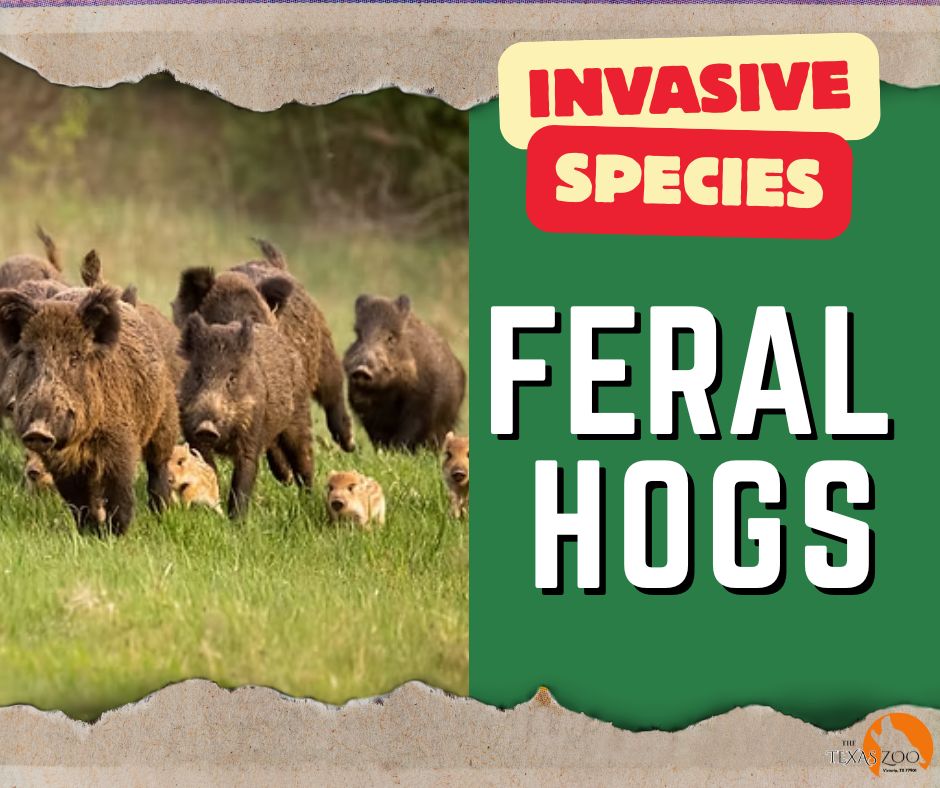
Feral hogs in Texas trace back to the 1930s, when European wild hogs (often called “Russian boars”) were brought in for sport hunting. Many escaped, bred with domestic pigs, and quickly spread across the state.
Today, feral hogs have a major impact on ecosystems and agriculture. Their rooting behavior damages soil and vegetation, disrupts plant growth, and affects habitats for native wildlife. They also compete with animals like deer for important food sources such as acorns.
Feral hogs are most common in East, South, and Central Texas, with growing populations now appearing in North and West Texas. Currently, Texas is home to over 1.5 million feral hogs, and the numbers keep rising!
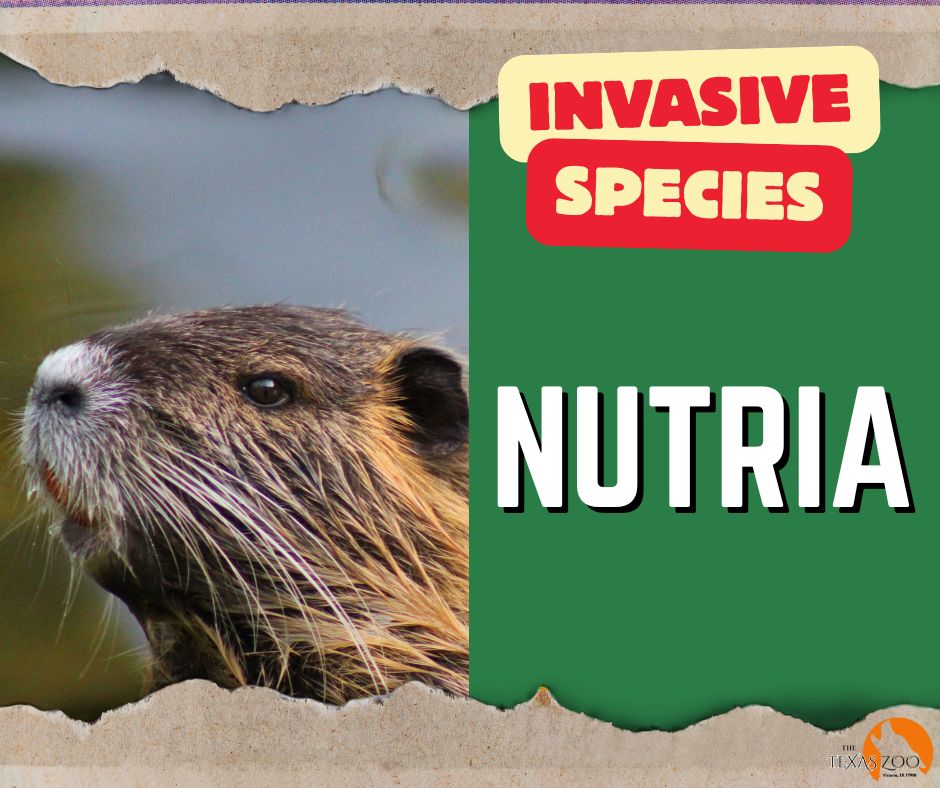
Nutria were first brought to the U.S. between 1899 and 1940 for the fur trade. When fur farms shut down, many nutria were released into the wild. Others were intentionally introduced to control unwanted vegetation, and were even sold as “weed cutters” to the public.
A major hurricane in the late 1940s helped spread nutria across coastal Louisiana and southeast Texas, and today they’ve been reported in at least 40 states and parts of Canada.
While they may look cute, nutria cause serious damage to wetlands and crops like rice and sugarcane, leading to over $1 million in losses each year when all impacts are combined.
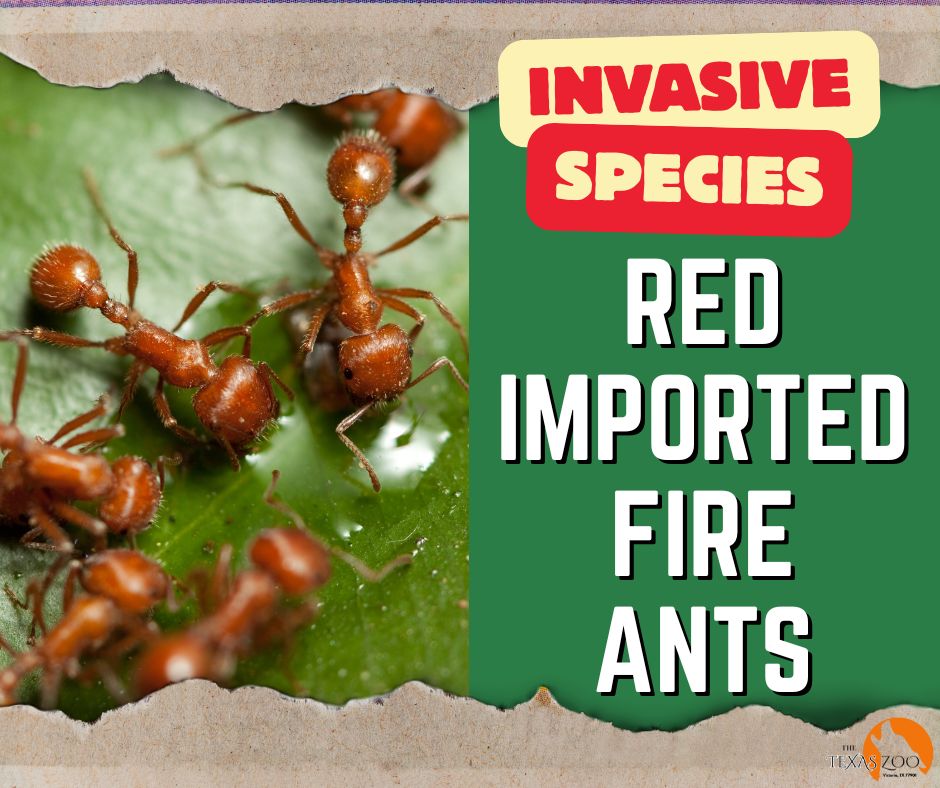
Introduced to the U.S. around the 1930s, Red Imported Fire Ants have spread across over 260 million acres in the Southeast, including Texas, Florida, Georgia, and more. These aggressive ants have outcompeted many native ants, like Texas Leaf-Cutter, Harvester, and Carpenter ants, disrupting local ecosystems.
They’re not just a nuisance, Red Fire Ants can threaten wildlife, eating newly-hatched chicks, eggs, insects, lizards, and even small mammals that disturb their mounds. And yes, anyone who has accidentally stepped on a mound knows they attack quickly and in large numbers.
These ants also have a big economic impact, ruining lawns, ranches, and fields with their dense mounds. They’re spreading fast, now found across much of Texas and even into California.
Stay alert and protect your property, these tiny invaders pack a big punch!
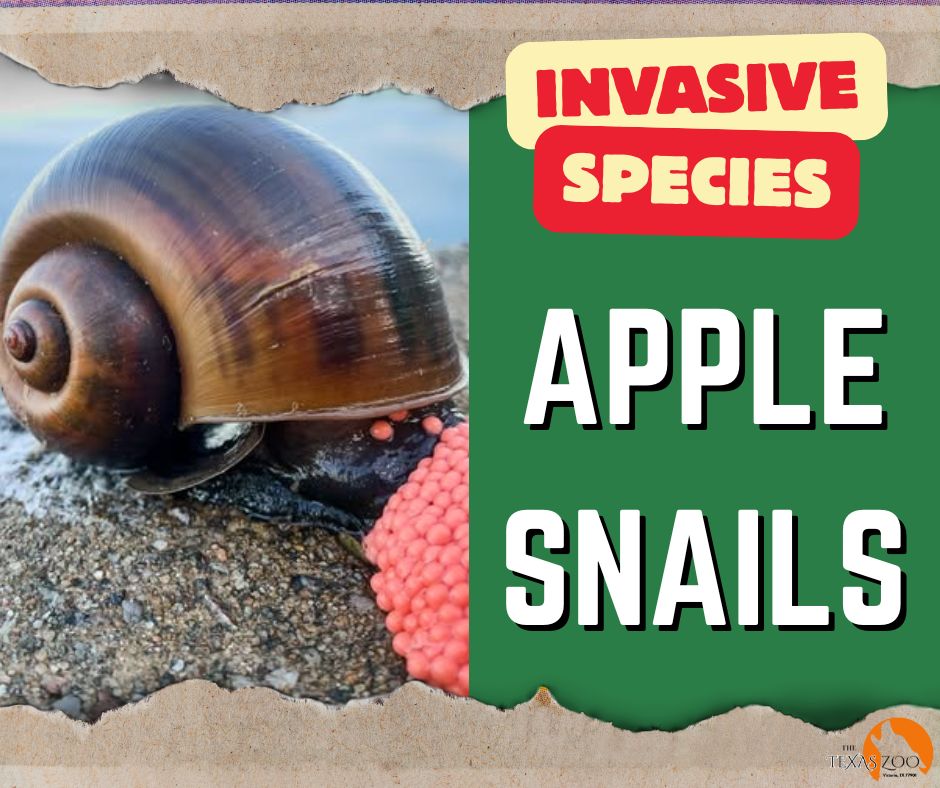
Originally from South America, Pomacea maculata (the channeled apple snail) was introduced around the 1980s for farming and protein purposes. Unfortunately, it’s become a serious invasive species in Texas and across the Southeast.
These snails cause major damage to rice fields, especially young seedlings, sometimes destroying entire crops. They also carry the rat lungworm parasite (Angiostrongylus cantonensis), which can infect humans if snails are eaten raw or undercooked, potentially leading to serious brain infections.
⚠️ Safety Tips:
-
Always wash your hands after handling these snails.
-
Report sightings to local authorities.
-
Destroy pink egg masses by scraping them into water — submerged eggs won’t hatch.
Apple snails have been spreading across Texas since the late 1990s, so it’s important to stay alert and protect both your crops and your health!
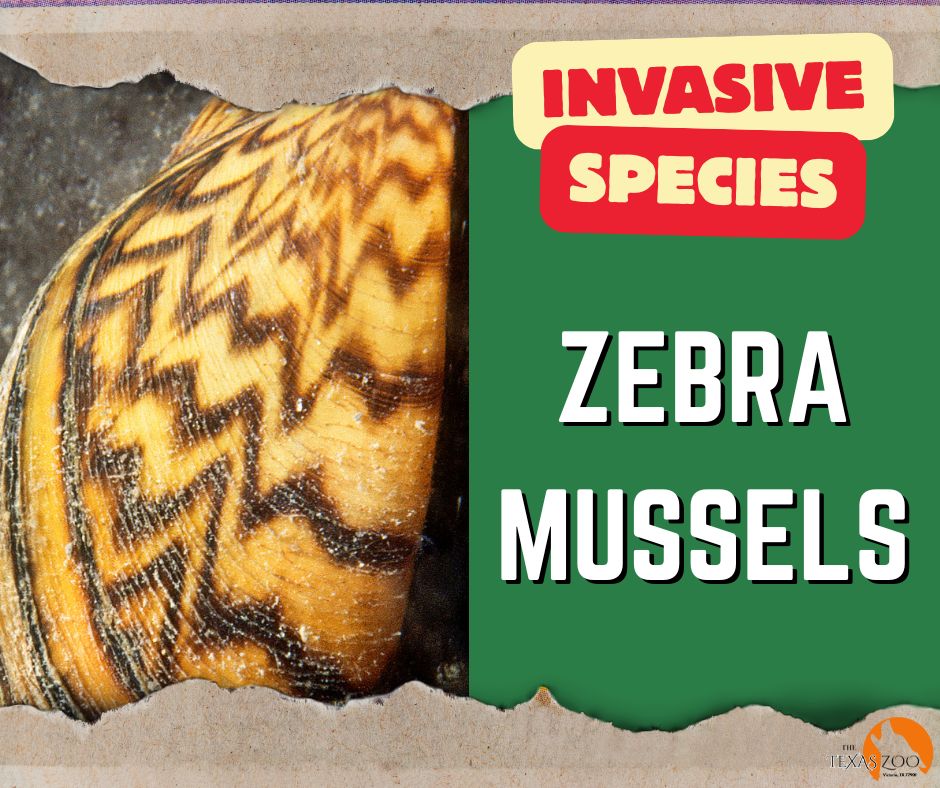
Zebra mussels were first spotted in North America in 1988 in Lake St. Clair (on the Michigan-Ontario border) and have since spread across the Mississippi Waterway, recently reaching Texas, Utah, and California.
These tiny invaders filter water at incredible rates, reducing algae and zooplankton populations, and altering habitats for fish and other aquatic life. More sunlight penetrates the water, changing temperatures and affecting ecosystems throughout the water column.
Zebra mussels also cause serious economic problems. They attach to almost anything! Pipes, boats, trailers, buoys, and more, and can clog infrastructure, damage equipment, and even sink objects left in the water. In Texas alone, 28 lakes are infested, with more at risk.
⚠️ If you suspect Zebra Mussels:
Report it immediately at texasinvasives.org to help protect our waters!